

As a supplier of woven handbags, I've had the privilege of witnessing the industry's growth and evolution over the years. Woven handbags, with their unique textures and artisanal charm, have long been a favorite among fashion enthusiasts. However, like any product, they come with their own set of disadvantages. In this blog post, I'll delve into some of the drawbacks of woven handbags, offering insights that can help consumers make more informed purchasing decisions.
Durability Concerns
One of the primary disadvantages of woven handbags is their relatively low durability compared to other types of handbags. Woven materials, whether made from natural fibers like jute, cotton, or sisal, or synthetic materials like recycled plastic, are more prone to wear and tear. The interlacing threads that give woven handbags their distinctive look can also be a weak point. Over time, these threads can loosen, fray, or break, especially if the bag is subjected to rough handling or heavy use.
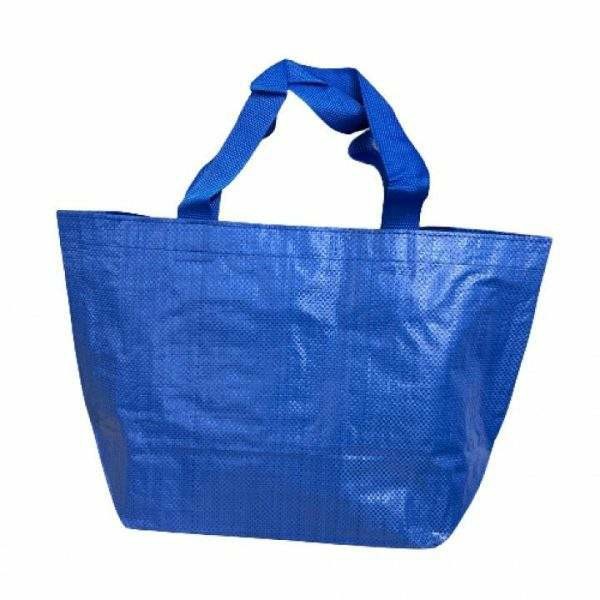
For example, a Green Woven Tote Bag made from natural fibers may start to show signs of wear after a few months of regular use. The edges of the bag may fray, and the woven pattern may become distorted. This can not only affect the bag's appearance but also its structural integrity. Similarly, Recycled Plastic Woven Tote Bags, while more resistant to moisture and some types of damage, can still be prone to cracking or tearing if they are overloaded or exposed to sharp objects.
Limited Water Resistance
Another significant drawback of woven handbags is their limited water resistance. Most woven materials are porous, which means they absorb water easily. This can be a major problem if you're caught in the rain or accidentally spill a drink on your bag. When a woven handbag gets wet, it can become heavy, lose its shape, and develop mold or mildew if not dried properly.
Natural fiber woven handbags are particularly vulnerable to water damage. For instance, a jute or cotton woven handbag can become discolored and weakened when exposed to water. The fibers may also start to rot over time, leading to a shorter lifespan for the bag. Even synthetic woven materials, such as those used in Recycled Plastic Woven Tote Bags, may not provide complete water resistance. While they may be more resistant to moisture than natural fibers, they can still allow water to seep through the small gaps between the woven threads.
Lack of Structural Support
Woven handbags often lack the structural support needed to hold their shape, especially when filled with heavy items. Unlike leather or hard-sided handbags, which have a more rigid structure, woven bags tend to be more flexible and can easily slump or sag. This can make it difficult to organize your belongings inside the bag and may also affect the bag's overall appearance.
For example, a large Woven Handbags used as a work or travel bag may not be able to support the weight of a laptop, books, and other essentials without losing its shape. The bag may become misshapen, and the contents may shift around, making it difficult to find what you need. Additionally, the lack of structural support can also make the bag more prone to damage, as the weight of the contents can put stress on the woven material and cause the threads to break.
Cleaning Challenges
Cleaning woven handbags can be a challenging task. The porous nature of the woven material makes it difficult to remove stains and dirt. Unlike smooth-surfaced handbags, which can be easily wiped clean with a damp cloth, woven handbags often require more intensive cleaning methods.
For natural fiber woven handbags, spot cleaning with a mild detergent and water may be sufficient for minor stains. However, for more stubborn stains, you may need to soak the bag in a solution of water and detergent, which can be time-consuming and may also damage the fibers if not done correctly. Synthetic woven handbags may be easier to clean, but they can still be prone to discoloration if exposed to harsh chemicals or excessive scrubbing.
Moreover, drying woven handbags can also be a challenge. If the bag is not dried properly, it can develop mold or mildew, which can not only damage the bag but also pose a health risk. It's important to dry woven handbags in a well-ventilated area away from direct sunlight to prevent the fibers from becoming brittle and breaking.
Limited Style Versatility
While woven handbags offer a unique and rustic charm, they may not be as versatile in terms of style as other types of handbags. Their distinctive woven patterns and textures can make them more suitable for certain occasions and outfits than others. For example, a large, colorful woven tote bag may be perfect for a casual day at the beach or a picnic in the park, but it may not be appropriate for a formal business meeting or a black-tie event.
In addition, the limited color options available in woven handbags can also restrict their style versatility. Most woven materials are available in natural or earthy tones, which may not match every color scheme or fashion trend. While some manufacturers may offer dyed or printed woven handbags, these options may be more limited and may not have the same quality or durability as the natural-colored bags.
Higher Cost of Maintenance
Due to their durability issues, limited water resistance, and cleaning challenges, woven handbags often require more maintenance than other types of handbags. This can translate into higher costs over time. For example, if you need to replace a frayed or damaged woven handbag more frequently than a leather or synthetic handbag, you'll end up spending more money in the long run.
In addition, the cost of cleaning and maintaining a woven handbag can also add up. You may need to purchase special cleaning products or take the bag to a professional cleaner, which can be expensive. The need to take extra precautions to protect the bag from water damage and wear and tear can also require additional time and effort, which can be a hidden cost.
Conclusion
While woven handbags have their unique appeal and charm, they also come with several disadvantages. Their durability concerns, limited water resistance, lack of structural support, cleaning challenges, limited style versatility, and higher cost of maintenance are all factors that consumers should consider before purchasing a woven handbag.
However, this doesn't mean that woven handbags aren't worth buying. They can still be a great choice for those who appreciate their natural beauty and artisanal qualities and are willing to take the extra care needed to maintain them. At our company, we strive to provide high-quality Woven Handbags that are both stylish and durable. We also offer tips and advice on how to care for your woven handbags to ensure they last as long as possible.
If you're interested in purchasing our woven handbags or have any questions about our products, please don't hesitate to contact us. We'd be happy to discuss your needs and help you find the perfect woven handbag for your lifestyle.

References
- "Handbag Materials and Their Properties" - Fashion Industry Journal
- "The Care and Maintenance of Woven Accessories" - Textile Research Institute