

As a seasoned supplier of Woven Handbags, I've witnessed firsthand the distinct characteristics and market dynamics of both natural and synthetic woven handbags. In this blog, I'll delve into the differences between these two types, helping you make informed decisions when it comes to sourcing or purchasing.
Material Composition
Natural woven handbags are crafted from organic materials such as cotton, jute, hemp, and sisal. Cotton, a soft and breathable fiber, is widely used for its comfort and versatility. Jute, on the other hand, is known for its strength and durability, making it ideal for larger tote bags. Hemp is another sustainable option, offering a natural look and feel while being highly resistant to wear and tear. Sisal, with its coarse texture, adds a rustic charm to handbags and is often used in more bohemian or ethnic designs.
Synthetic woven handbags, in contrast, are made from man - made fibers like polyester, nylon, and PVC. Polyester is a popular choice due to its affordability, wrinkle - resistance, and ease of maintenance. Nylon is extremely strong and lightweight, making it suitable for travel and outdoor handbags. PVC, or polyvinyl chloride, can mimic the look of leather and is often used to create sleek, modern - looking handbags.
Aesthetic Appeal
One of the most noticeable differences between natural and synthetic woven handbags lies in their aesthetic appeal. Natural woven handbags exude a warm, earthy charm. The natural fibers have unique textures and colors that give each handbag a one - of - a - kind look. For example, a jute woven tote bag has a rough, textured surface with a natural golden - brown color that adds a touch of rustic elegance. Cotton woven handbags can have a soft, muted appearance, perfect for a more understated style.
Synthetic woven handbags, on the other hand, offer a more uniform and polished look. They can be produced in a wide range of bright, vivid colors that are difficult to achieve with natural fibers. The smooth texture of synthetic materials gives these handbags a modern and sophisticated aesthetic. For instance, a polyester woven handbag can have a shiny finish that catches the eye and makes a bold fashion statement.
Durability and Longevity
When it comes to durability, both natural and synthetic woven handbags have their pros and cons. Natural fibers, especially jute and hemp, are generally quite strong and can withstand a fair amount of wear and tear. However, they are more susceptible to damage from moisture and pests. For example, if a cotton woven handbag gets wet and is not dried properly, it can develop mold or mildew, which can weaken the fibers over time.

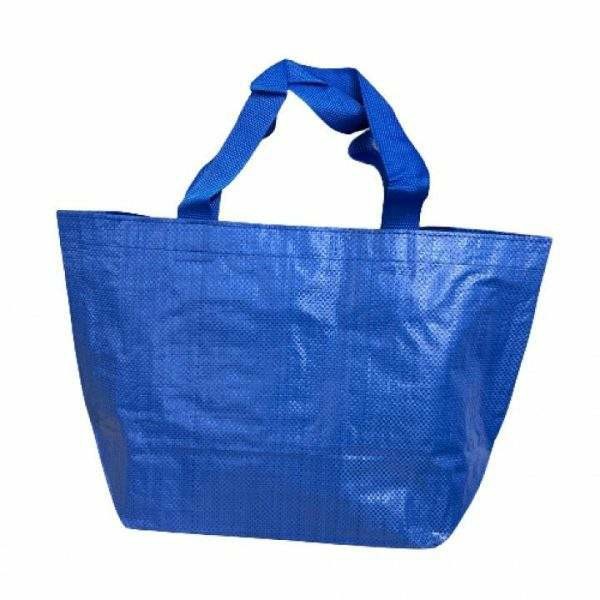
Synthetic fibers, on the other hand, are highly resistant to moisture, stains, and pests. Polyester and nylon handbags can be easily wiped clean and are less likely to be damaged by environmental factors. However, they may not have the same long - term durability as some natural fibers. Over time, synthetic materials can start to break down due to exposure to sunlight and friction, especially if they are of lower quality.
Environmental Impact
In today's environmentally conscious world, the environmental impact of handbag materials is a crucial consideration. Natural woven handbags are generally more sustainable as they are made from renewable resources. Cotton, jute, and hemp are all plants that can be grown and harvested year after year. Additionally, natural fibers are biodegradable, meaning they will break down over time without causing long - term damage to the environment.
Synthetic woven handbags, however, are made from non - renewable resources such as petroleum. The production of synthetic fibers also involves a significant amount of energy and can generate harmful chemicals. However, there are some eco - friendly options in the synthetic category. For example, Recycled Plastic Woven Tote Bags are made from recycled plastic materials, reducing the amount of plastic waste in landfills.
Cost
Cost is another important factor to consider when choosing between natural and synthetic woven handbags. Natural woven handbags, especially those made from high - quality materials like organic cotton or fine jute, can be more expensive. The cost of growing, harvesting, and processing natural fibers is relatively high, and the production process is often more labor - intensive.
Synthetic woven handbags are generally more affordable. The raw materials for synthetic fibers are less expensive, and the manufacturing process can be automated, resulting in lower production costs. This makes synthetic handbags a popular choice for budget - conscious consumers.
Maintenance
Maintaining natural and synthetic woven handbags requires different approaches. Natural woven handbags need to be handled with care. They should be kept dry and away from direct sunlight to prevent fading and damage. Stains on natural fibers can be difficult to remove, and it's often recommended to spot - clean them with a mild detergent.
Synthetic woven handbags are much easier to maintain. They can be wiped clean with a damp cloth and are less likely to stain. However, some synthetic materials may require special care to prevent them from losing their shape or color over time.
Market Trends
The market for both natural and synthetic woven handbags is constantly evolving. In recent years, there has been a growing trend towards sustainable fashion, which has increased the demand for natural woven handbags. Consumers are becoming more aware of the environmental impact of their purchases and are looking for eco - friendly alternatives. Brands are also responding to this trend by offering more Green Woven Tote Bag options made from natural and recycled materials.
On the other hand, synthetic woven handbags continue to be popular for their affordability, durability, and modern aesthetic. They are often favored by younger consumers and those looking for trendy, fashion - forward handbags.
Conclusion
In conclusion, the differences between natural and synthetic woven handbags are significant in terms of material composition, aesthetic appeal, durability, environmental impact, cost, maintenance, and market trends. As a supplier of Woven Handbags, I understand the unique advantages and disadvantages of each type. Whether you're a retailer looking to stock your shelves or a consumer in search of the perfect handbag, it's important to consider these factors to make the right choice.
If you're interested in sourcing high - quality woven handbags, whether natural or synthetic, I'd be more than happy to discuss your specific needs. We offer a wide range of styles and materials to meet the diverse demands of the market. Contact me to start a procurement discussion and find the ideal handbags for your business or personal use.
References
- Fashion Industry Trends Report 2023
- Environmental Impact of Textile Production Studies
- Handbag Material and Design Research Papers